How to draw chibi animals
The head carries everything. Pick three features that identify the species, exaggerate those, and let the rest of the body become generic.
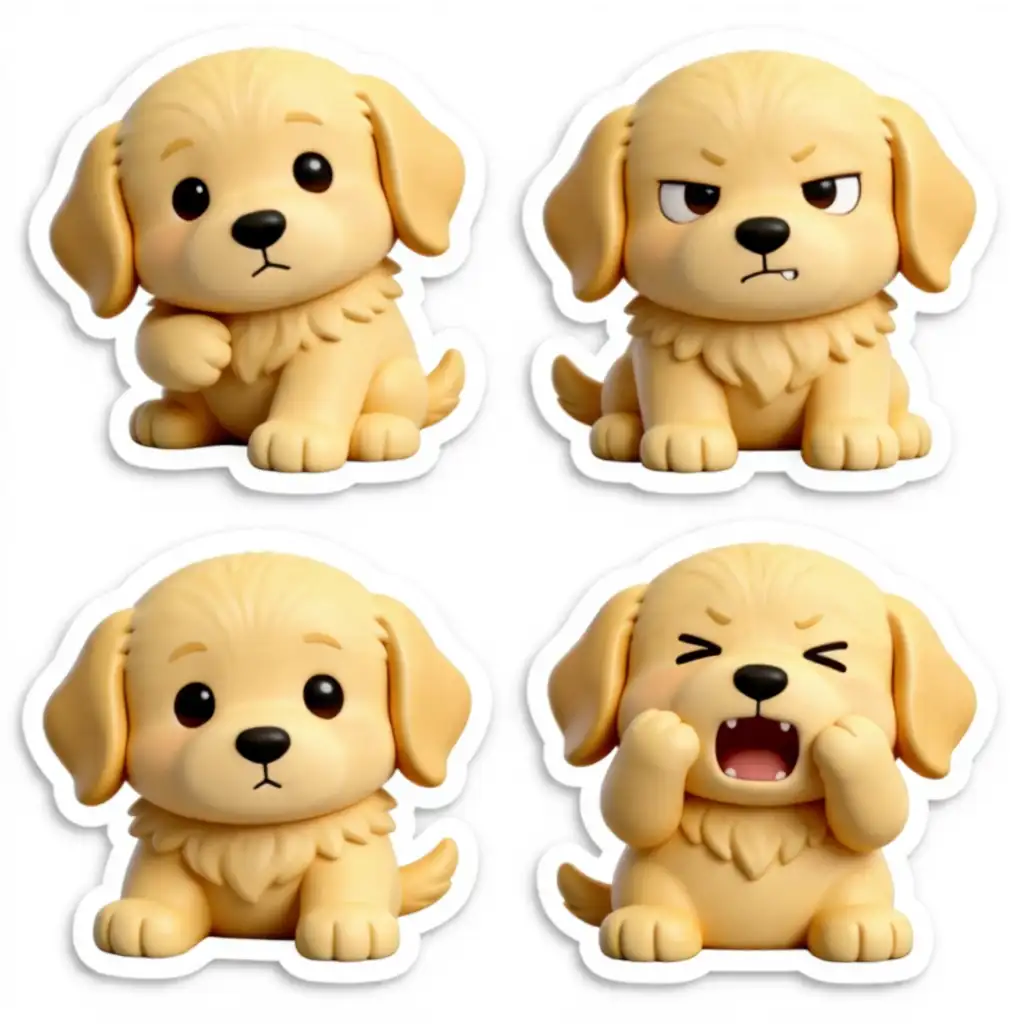
The three-feature rule
Species recognition in chibi comes from a very small number of cues. For a cat: pointed ears, a short muzzle with a distinct nose, and a tail with a visible tip. For a dog: ear shape (this is where the breed lives), muzzle length, and tail carriage. For a rabbit: ear length and angle, muzzle, and foot shape. Choose three, draw them clearly, and the rest of the body can be a soft oval with no anatomy at all.
Head shape is the whole silhouette
A chibi animal head is a wide circle or a soft square, with the muzzle as the only forward protrusion. Keep the muzzle short — a long snout turns the head into a wedge and the character stops reading as chibi. Eyes go on the lower half of the head exactly as they do for humans, and the nose sits between and slightly below them.
Body: one oval, four short legs
The body is a single rounded shape, roughly the same width as the head. Legs are short tapered stubs, and the paws are simplified the same way human hands are — no toe detail. For a sitting pose the hind legs become two rounded shapes at the hips, which is both easier to draw and more readable than a folded-leg construction.
Fur: two textures, chosen once
Either smooth (the outline is a clean curve and there is no fur indication at all) or fluffy (the outline is broken into rounded bumps of roughly equal size). Pick one per character. Mixing a smooth body with fluffy edges on the head is the single most common reason a chibi animal looks inconsistent.
Generating pet portraits instead of drawing them
If the goal is a portrait of a specific pet rather than a generic animal, generating from a photograph preserves the individual features that matter — the exact ear set, the muzzle colour, the marking pattern — while the preset imposes the chibi proportions. That is the practical reason photo-to-chibi exists: the three identifying features come from the real animal, not from the style.
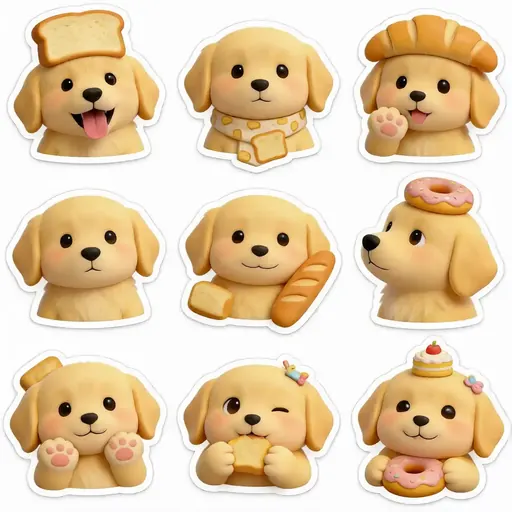
Presets in this style family
Each tile opens that preset's page.
Where to go next
Read next
About this guide
This guide is editorial content written by the ChibiArts team. ChibiArts is not affiliated with, endorsed by or sponsored by any of the studios, brands or trademark owners named on this page — those names are used descriptively, to compare visual styles.
Frequently asked questions
Why does my chibi animal not look like the right species?
Usually because the muzzle is too long or the ears are too small. Those two features carry most of the species signal at chibi scale.
Should a chibi animal have a tail?
If the tail is one of the three identifying features, yes — and give it a clear tip. If it is not, leaving it out is better than drawing a vague curl.
Can I turn a photo of my pet into chibi art?
Yes, and it is usually faster than drawing. A photo gives the individual features; a style preset gives the proportions. Rendering at the largest size available keeps the fur texture from turning to mush.