How to draw a chibi body
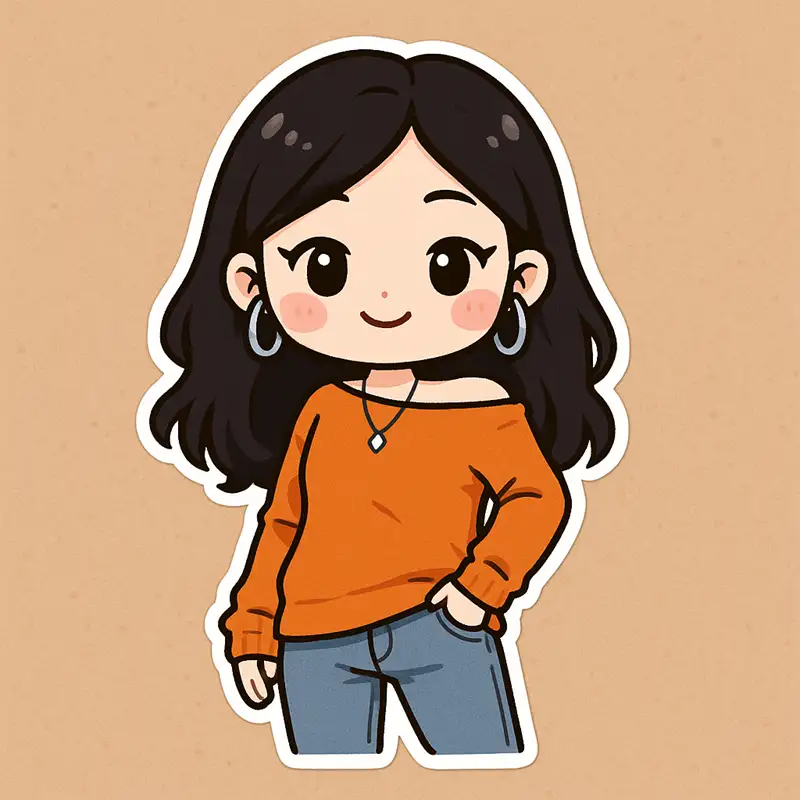
Once the head is set, the body is three simplified shapes. The difficulty is not the shapes, it is keeping them in the right proportion to a very large head.
Set the count before you draw anything
Pick the head count first: 2, 3 or 4 heads tall. Everything else follows. At 3 heads, the body is two head-heights, split roughly one for the torso and one for the legs. At 4 heads, you get an extra head-height to spend on costume detail and slightly longer legs. Decide this in pencil before adding a single feature — changing it later means redrawing the whole figure.
Torso: a trapezoid, not a box
Draw the torso as a trapezoid that is narrower at the waist than at the shoulders, and keep the shoulders narrow overall — usually about 1.1 to 1.3 head widths across. A common mistake is giving a chibi broad shoulders to look strong; it makes the head look small instead, which is the one thing the style cannot afford. Chest and hip differences between characters are better shown with a slight curve at the waist than with width.
Arms: tapered tubes with a length rule
Draw arms as tapered tubes — thicker at the shoulder, thinner at the wrist, no elbow detail beyond a soft bend. The practical length rule: a relaxed arm reaches just past the hip line, and in most chibi styles the fingertips land level with the crotch. Longer arms make the figure look stretched and immediately break the chibi read.
Hands: mittens, and keep them that way
Draw a rounded mitten with an optional single thumb line. Nothing else. At sticker and avatar sizes, individual fingers turn into unreadable scratches, and the shapes that read as "hands" at 40 pixels are the ones with the fewest marks inside them. If the pose needs a pointed finger, a single wedge shape communicates it more reliably than five separate fingers.
Clothing follows the same reduction
Reduce a garment to two or three large shapes and one or two accent lines. A hoodie becomes a trapezoid plus a collar band; a skirt becomes a single flared shape. Put the detail in one place — a collar, a sash, a single logo — and leave the rest flat. Chibi costume design is an exercise in choosing which one detail survives.
Presets in this style family
Each tile opens that preset's page.
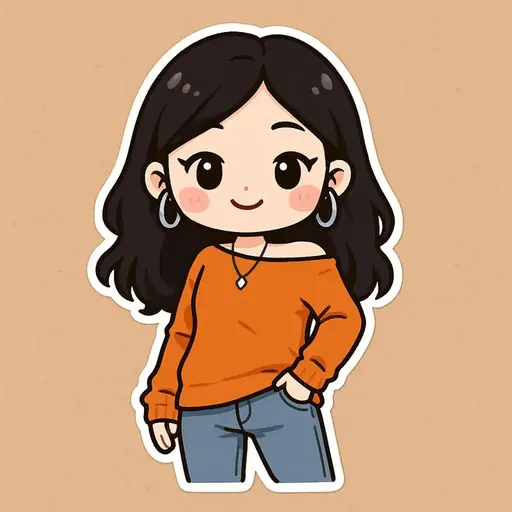
Chibi Sticker
How to draw a chibi body →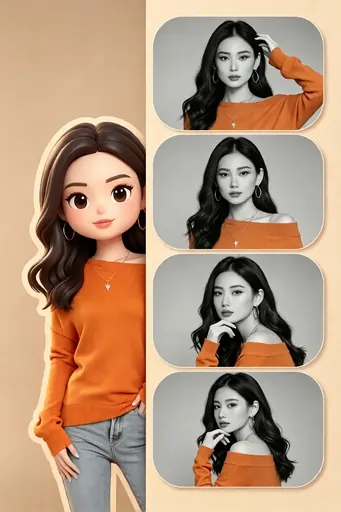
Chibi Sunglass Poster Collage
How to draw a chibi body →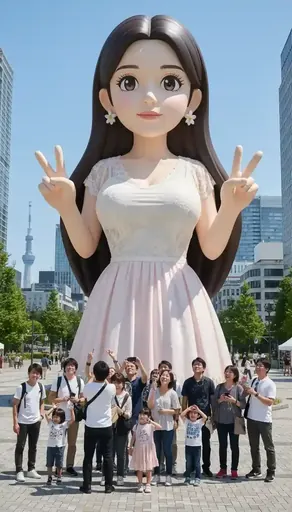
Giant Chibi in Tokyo
How to draw a chibi body →
Chibi Hologram
How to draw a chibi body →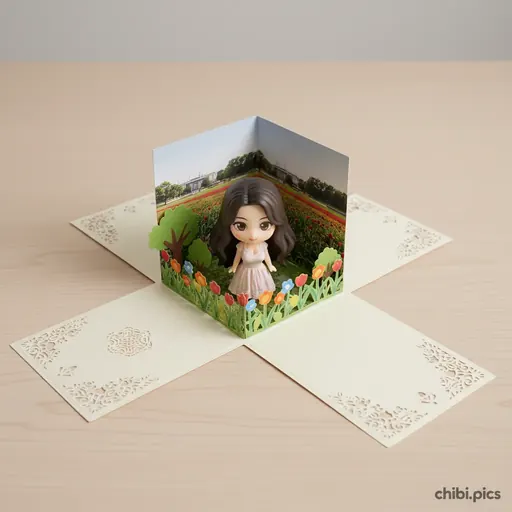
Chibi Pop Card
How to draw a chibi body →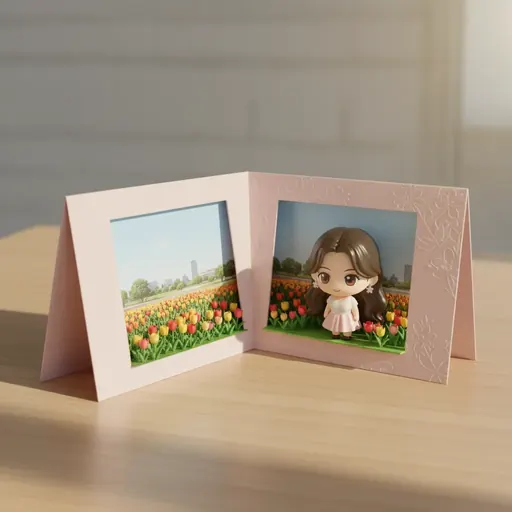
Chibi A6 Card
How to draw a chibi body →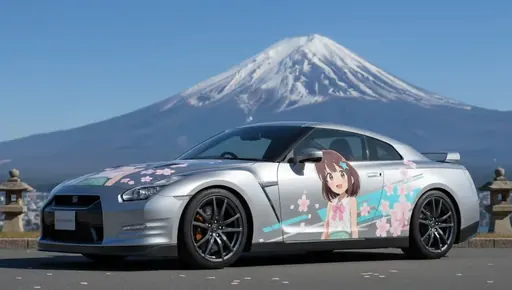
Chibi Car Wrap
How to draw a chibi body →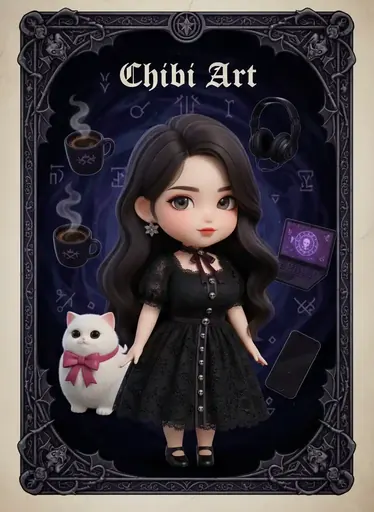
Chibi Ark Gothic Tarot
How to draw a chibi body →Where to go next
Read next
About this guide
This guide is editorial content written by the ChibiArts team. ChibiArts is not affiliated with, endorsed by or sponsored by any of the studios, brands or trademark owners named on this page — those names are used descriptively, to compare visual styles.
Frequently asked questions
How wide should chibi shoulders be?
About 1.1 to 1.3 head widths. Anything wider starts to make the head look small, which works against the entire style.
Should chibi characters have a neck?
Usually a very short one, or none at all. A visible neck of normal length pushes the head up and breaks the proportions.
How long should chibi arms and legs be?
Arms reach just past the hip line; legs occupy roughly a third of total height at three heads tall and a little more at four. Both are shorter than instinct suggests.