Anime chibi: the complete guide
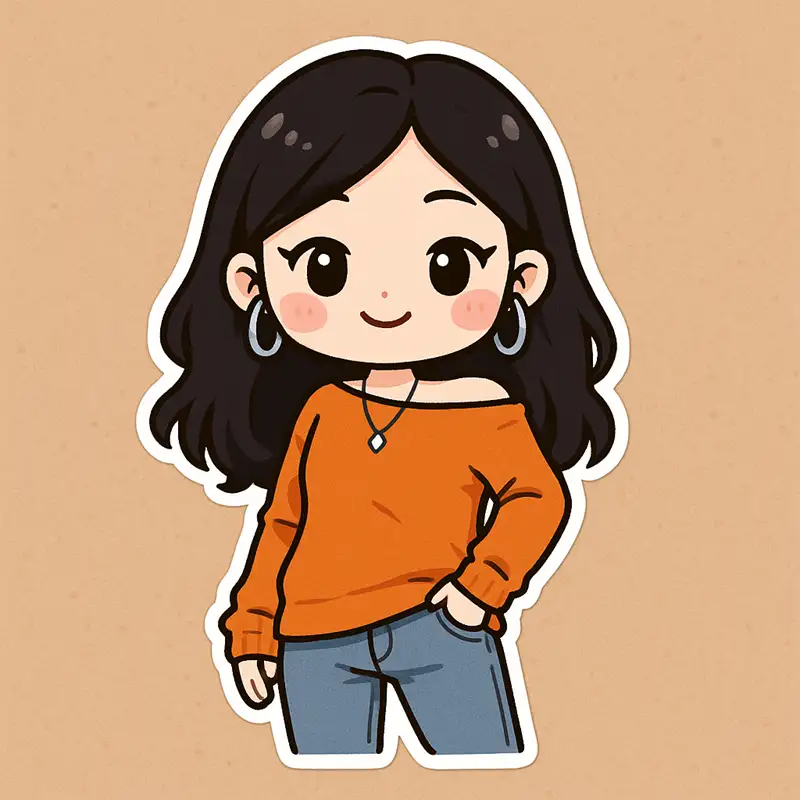
The default. If someone says "chibi" without qualifying it, this is usually what they mean: bold line, flat or cel-shaded colour, and eyes carrying most of the expression.
What defines the register
Four things together. A real outline — the line is an element, usually with variable weight, thicker on the shadow side. Cel shading — two, occasionally three values per material, with a hard boundary between light and shadow rather than a gradient. Symbol eyes — large irises, one big highlight, usually no lower lash line. Simplified hair — three to five masses, one highlight band.
Why it is the most useful default
It is the most reproducible of the chibi styles. Because form is carried by line and flat value rather than by continuous light, small inconsistencies between renders are far less visible than they would be in a rendered style. That is why it dominates sticker packs, emotes and anywhere you need 20 variants that all look like the same character.
Keeping a cast consistent
Lock four things and the rest can vary freely: the head ratio, the eye construction (shape plus highlight position), the hair silhouette, and the line weight. Expression then comes from eyebrow angle and mouth shape only. If two characters in a set look like different people, the drifted element is almost always the eye construction rather than the hair.
Practical settings
Render at 1024 pixels or larger for print and products; 512 is adequate for emotes and avatars, but generate large and downscale rather than generating small, because the line quality holds up better that way. Keep backgrounds simple for character work — the register's strength is clarity, and a busy background fights it.
Presets in this style family
Each tile opens that preset's page.
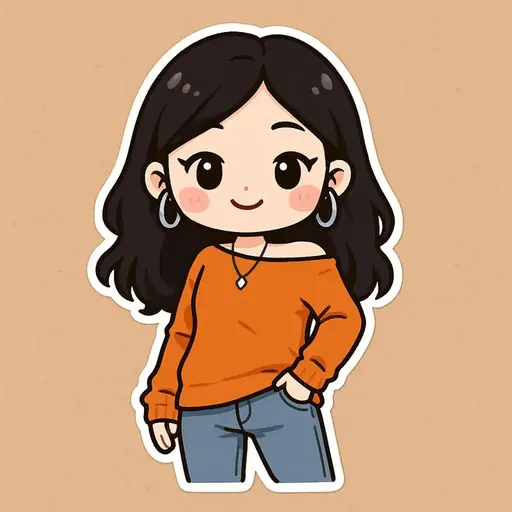
Chibi Sticker
Anime chibi: the complete guide →
Fan Sketchbook Chaotic Doodle
Anime chibi: the complete guide →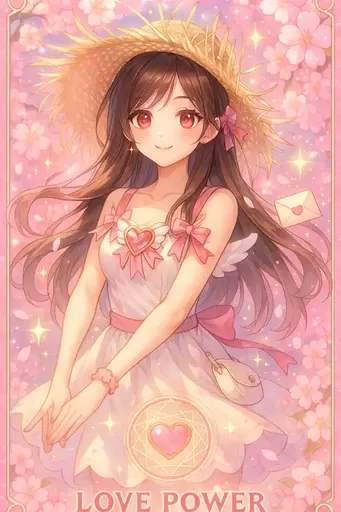
Magical Girl Card
Anime chibi: the complete guide →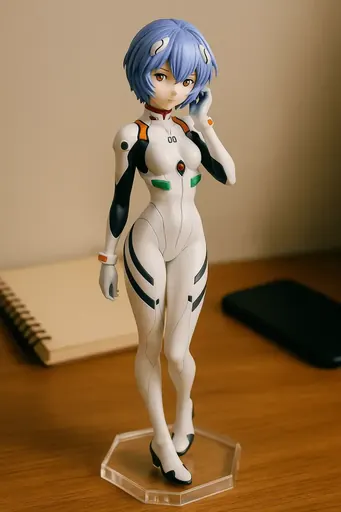
Resin Kit
Anime chibi: the complete guide →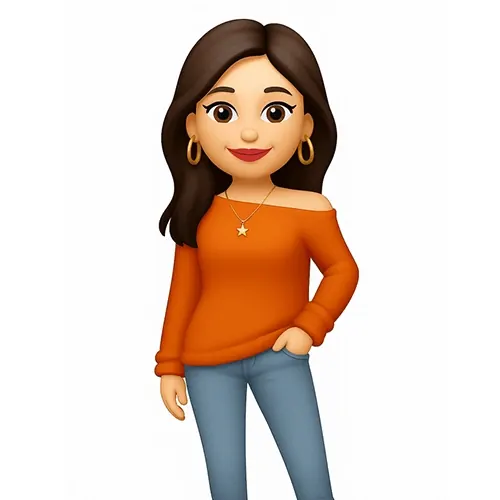
3D iOS Emoji
Anime chibi: the complete guide →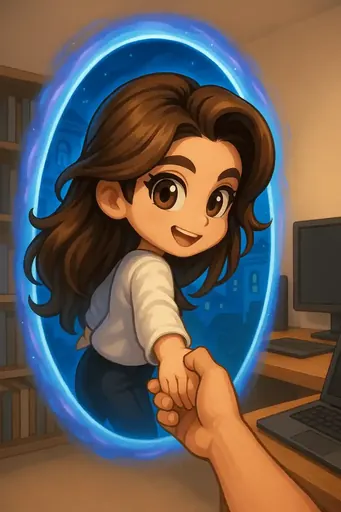
Chibi Crossing
Anime chibi: the complete guide →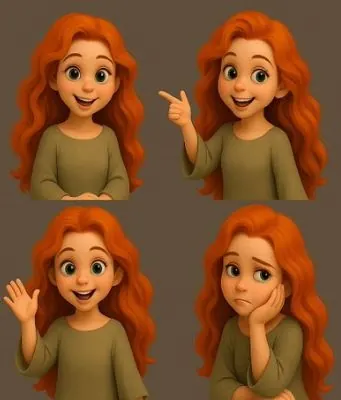
3D Avatars
Anime chibi: the complete guide →
One Piece Wanted
Anime chibi: the complete guide →Where to go next
Read next
About this guide
This guide is editorial content written by the ChibiArts team. ChibiArts is not affiliated with, endorsed by or sponsored by any of the studios, brands or trademark owners named on this page — those names are used descriptively, to compare visual styles.
Frequently asked questions
What is the difference between anime chibi and regular anime style?
Proportions, mostly. The rendering grammar is shared; chibi applies it at two to four heads tall with correspondingly larger eyes and simplified limbs.
Why do anime chibi characters have such big eyes?
Because at chibi scale there is almost no other facial detail. The eyes carry identity and expression, so they are enlarged to hold that responsibility.
Is anime chibi good for a sticker pack?
It is the best choice available, mainly because the outline keeps each sticker legible against any background, even at small sizes.