Anime vs realistic chibi
The proportions are fixed by the style. What varies is how much realistic rendering is poured into those proportions — and that choice changes who the artwork is for.
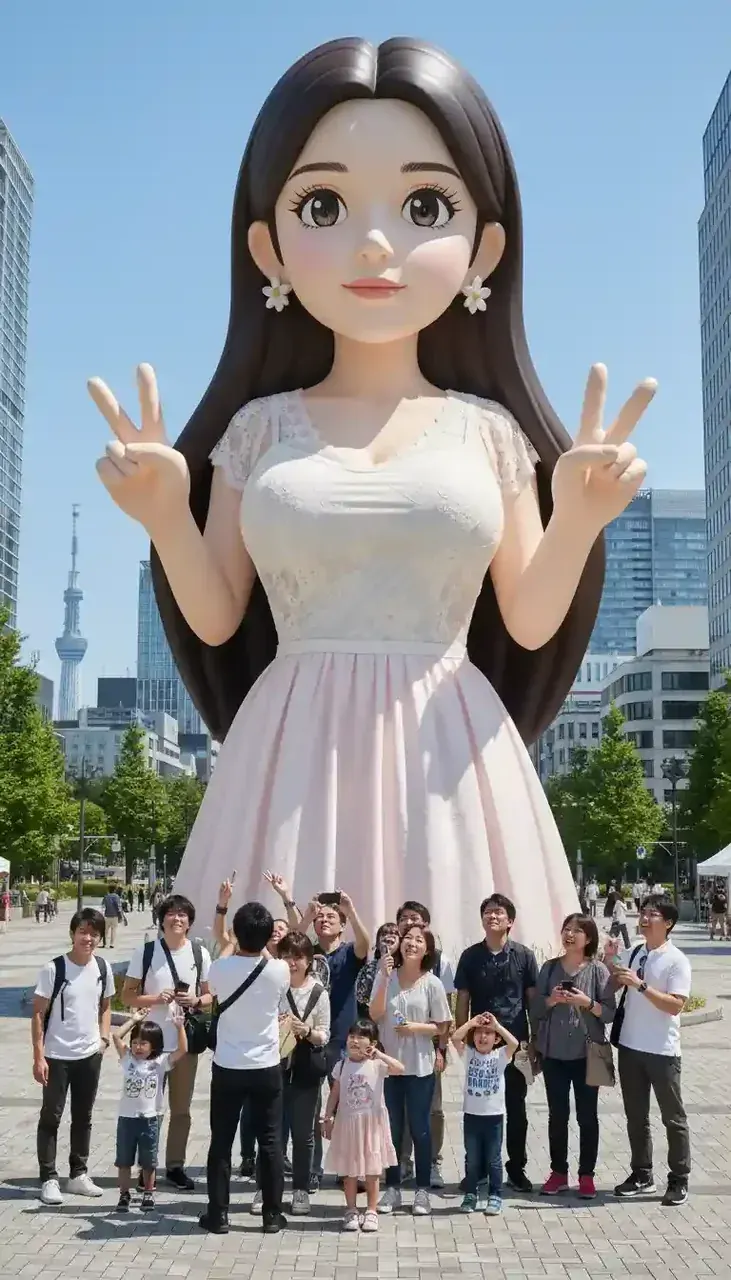
Both are chibi; only the rendering differs
An anime chibi uses the visual grammar of anime: bold line, flat or cel-shaded colour, symbol-driven eyes with a large highlight, simplified features. A realistic chibi keeps the 2-to-4-head proportions but renders the face with real anatomy cues — the suggestion of a nose bridge, defined eyelashes, skin that shows light falloff, hair that reads as strands with weight rather than as shapes.
Where realism helps, and where it hurts
Realism helps likeness. If the point is that a specific person is recognisable, realistic treatment of the eyes, nose and hair colour does more work than any amount of stylistic flourish. Realism hurts scale: at 64 pixels the subtle nose and lash detail turns into grey noise, and the image reads worse than the flat anime version would.
A hybrid that works well
Keep anime proportions and eye construction, but render skin, hair and fabric with real light. This is the register most photo-to-chibi portraits use, because it keeps the recognisable features of the subject while the proportions do the stylising. The one rule is not to mix the two grammars inside the face — cel-shaded skin with realistic eyelashes looks like a mistake, not a style.
Making the choice in practice
Ask what the image has to survive. A 32-pixel avatar or a die-cut sticker wants anime flatness. A printed portrait, a poster or a gift wants realistic rendering. If the answer is "both", produce two renders from the same source instead of compromising in the middle.
Presets in this style family
Each tile opens that preset's page.
Giant Chibi in Tokyo
Anime vs realistic chibi →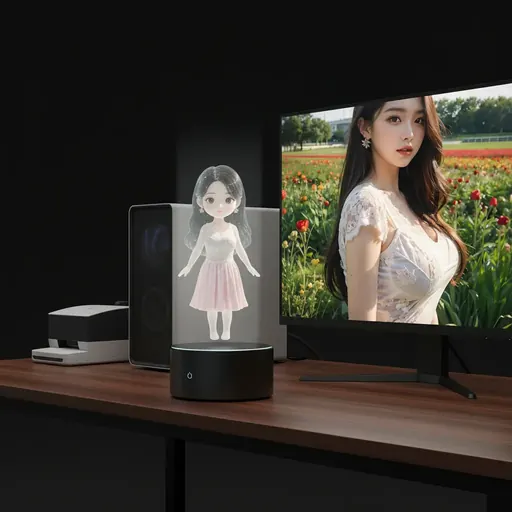
Chibi Hologram
Anime vs realistic chibi →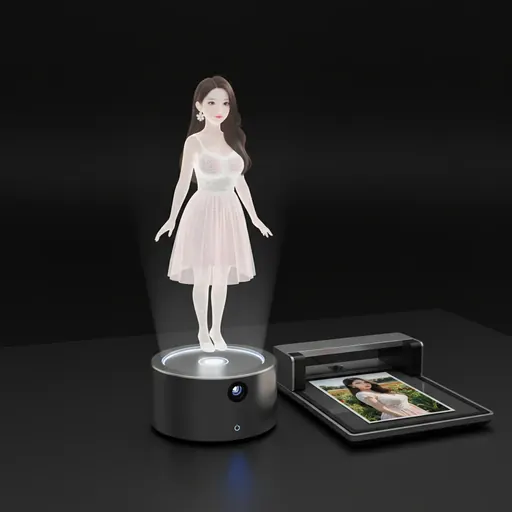
Picture to Hologram
Anime vs realistic chibi →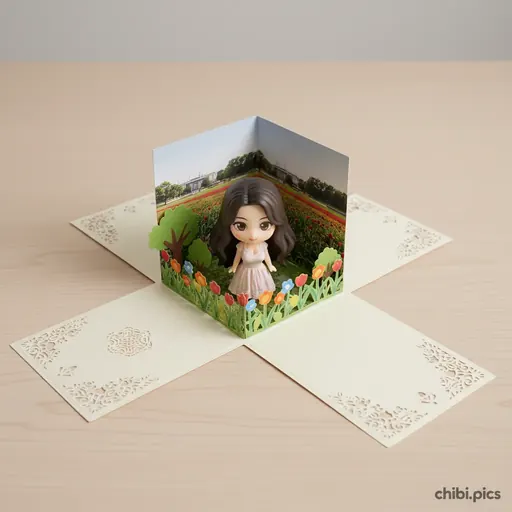
Chibi Pop Card
Anime vs realistic chibi →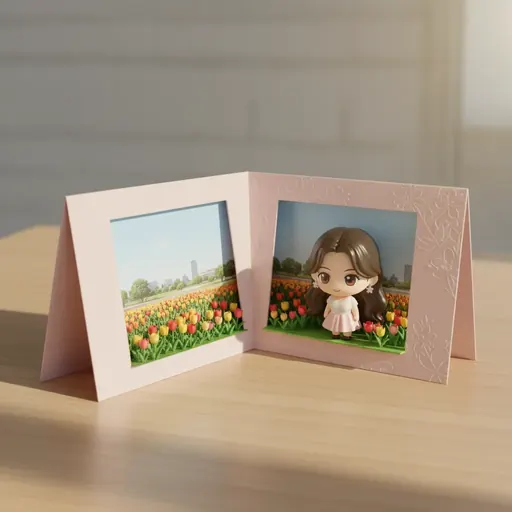
Chibi A6 Card
Anime vs realistic chibi →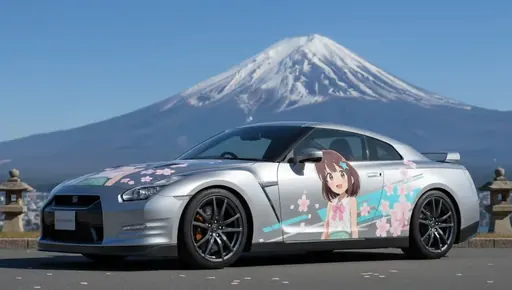
Chibi Car Wrap
Anime vs realistic chibi →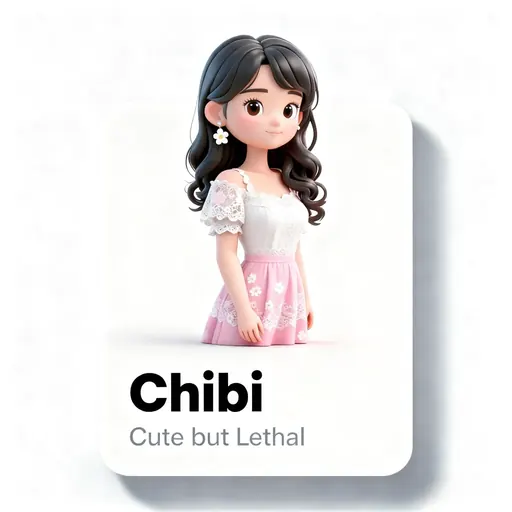
Chibi Character Card
Anime vs realistic chibi →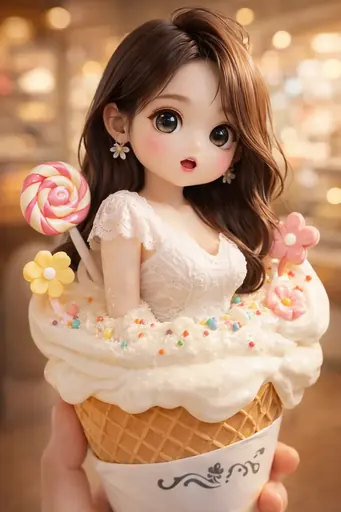
Chibi Ice Cream
Anime vs realistic chibi →About this guide
This guide is editorial content written by the ChibiArts team. ChibiArts is not affiliated with, endorsed by or sponsored by any of the studios, brands or trademark owners named on this page — those names are used descriptively, to compare visual styles.
Frequently asked questions
Can a realistic chibi still be cute?
Yes. Cuteness in chibi comes from proportions; realism only changes the surface. A realistically rendered 3-head figure still reads as cute.
Which works better for pet portraits?
Realistic rendering, usually. Fur texture and eye colour are the features that identify a specific pet, and both benefit from real light rather than flat fills.
Is realistic chibi harder to generate consistently?
Slightly. More factors have to stay stable between renders — light direction, skin tone, hair rendering — so it helps to keep a fixed size and reuse the same source photo.