Chibi base: what it is and how to use one
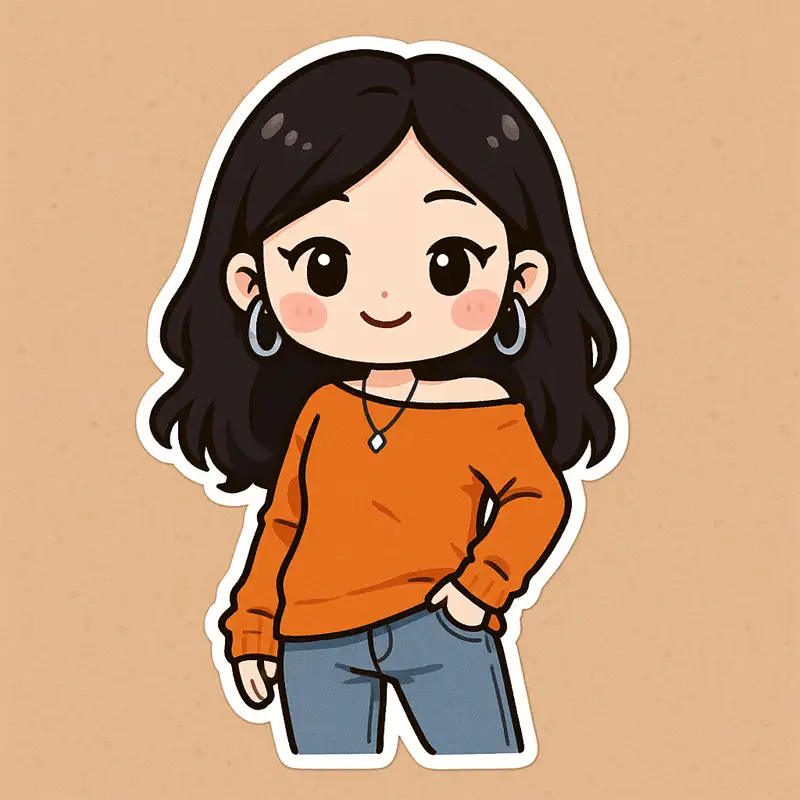
Search “chibi base” and you land in one of the oldest corners of the art community: reusable outline bodies — usually 2 to 3 heads tall, neutral pose, minimal detail — that artists draw over to make adoptables, outfits and OCs without redrawing the skeleton every time.
What a base actually contains
A good chibi base gives you four things: the proportion skeleton (head circle plus a 2–3 head-tall body mass), joint markers or a neutral pose with clean silhouettes, a face guide (eye line and mouth line drawn in), and deliberately blank surfaces — hair, clothes, accessories are yours. Bases are usually shared as transparent PNGs or PSDs at 512–2048px.
The credit rules that actually apply
Base culture runs on explicit licenses: free-to-use with credit, free-to-use without, or paid adoptable bases. The two rules that keep you out of trouble: read the artist's terms every time (they vary more than any other asset type in the community), and never lift a base from a paywalled pack and call it yours. Crediting the base artist in the description is the community default even when optional.
Draw-over vs generate
The classic workflow is: base → sketch outfit → line → color. A generator inverts it: upload a reference (your face, a character concept), pick a chibi preset, and the “base+outfit” arrives finished. What you lose is per-pixel control; what you gain is that proportions, symmetry and line weight are already production-clean. Most artists now mix both — generate the base render, then hand-edit details.
Making your own base
If you want a personal base: draw the neutral figure once at 2.5 heads tall, test it at 64px (if the silhouette reads, the base is good), save the clean version as a template layer, and never merge it. Or generate a plain-pose chibi from any photo, strip the specific features, and keep the proportion structure as your starting layer.
Presets in this style family
Each tile opens that preset's page.

Chibi Sticker
Chibi base: what it is and how to use one →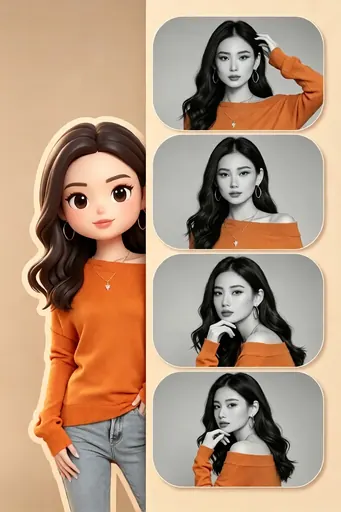
Chibi Sunglass Poster Collage
Chibi base: what it is and how to use one →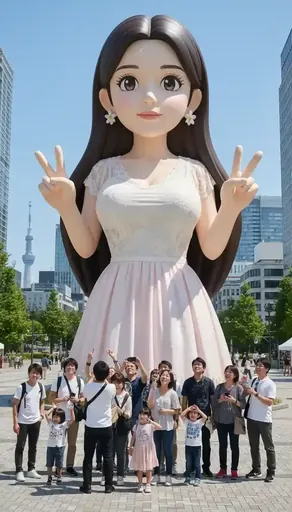
Giant Chibi in Tokyo
Chibi base: what it is and how to use one →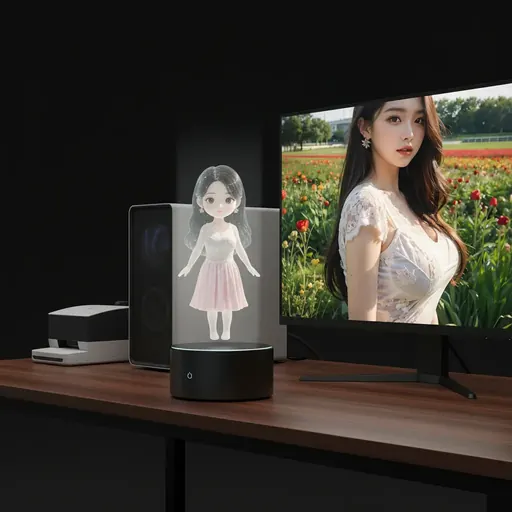
Chibi Hologram
Chibi base: what it is and how to use one →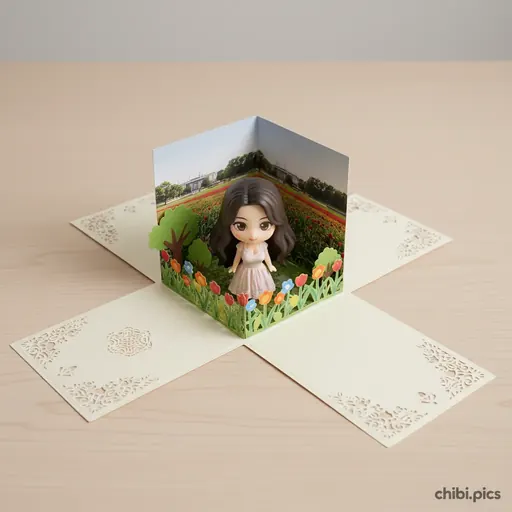
Chibi Pop Card
Chibi base: what it is and how to use one →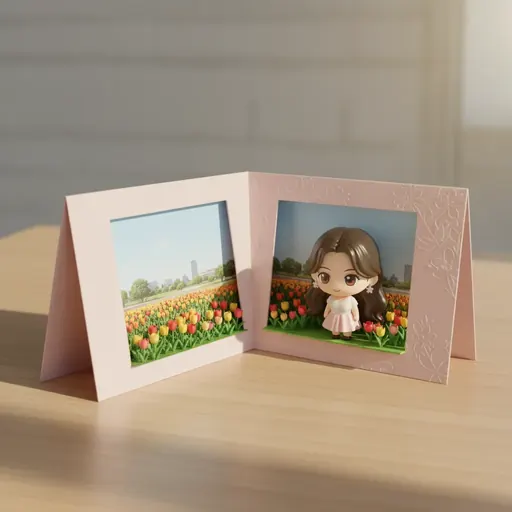
Chibi A6 Card
Chibi base: what it is and how to use one →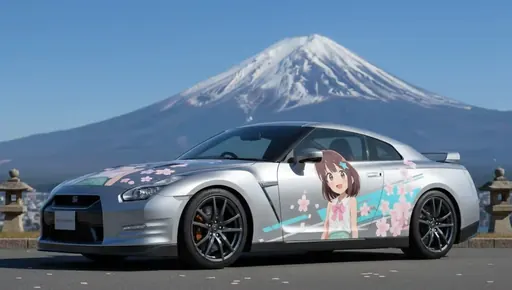
Chibi Car Wrap
Chibi base: what it is and how to use one →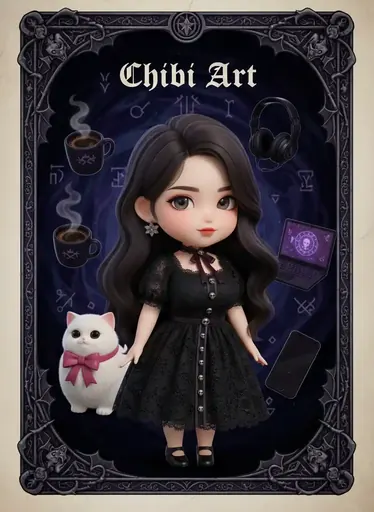
Chibi Ark Gothic Tarot
Chibi base: what it is and how to use one →About this guide
This guide is editorial content written by the ChibiArts team. ChibiArts is not affiliated with, endorsed by or sponsored by any of the studios, brands or trademark owners named on this page — those names are used descriptively, to compare visual styles.
Frequently asked questions
Are chibi bases free to use?
Many are, but every base artist sets their own terms — check the license on the specific base before using, especially for commercial work.
What makes a good chibi base?
A readable silhouette at small sizes, a clean neutral pose, and clearly separated layers for redraw.
Can I generate a chibi base instead of drawing one?
Yes — a plain-pose generation from a reference gives you a proportionally correct starting point, which you can then strip down or redraw over.